
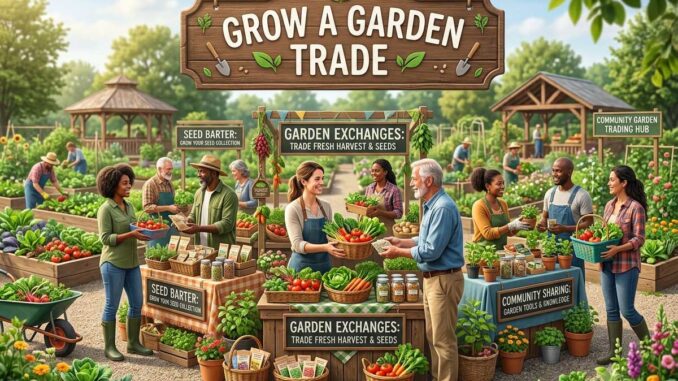
Trading is one of the most exciting parts of Grow a Garden. Whether you’re hunting for rare crops, collecting pets, or trying to complete your dream inventory, understanding Grow a Garden trade can save you from making costly mistakes.
However, many players rush into trades because an item looks rare, only to realize later they accepted an unfair offer. Therefore, learning item values, understanding demand, and recognizing market trends will help you become a smarter trader.
Overall, this guide explains everything you need to know about Grow a Garden trade, including trade values, calculators, beginner advice, and advanced strategies.
What Is Grow a Garden Trade?
Generally, the trading system allows players to exchange eligible items with one another.
Instead of relying only on random luck or grinding for every collectible yourself, trading lets you obtain items directly from other players.
Depending on the current version of the game, tradable items may include:
- Fruits
- Crops
- Pets
- Decorative items
- Event collectibles
- Limited rewards
- Certain resources
However, the list of tradable items can change whenever the developers release a major update, so always check the latest in-game information before making large trades.
Why Grow a Garden Trading Matters
In fact, trading benefits both new and experienced players.
For example, some advantages include:
- Completing collections faster
- Obtaining discontinued items
- Upgrading inventory
- Saving farming time
- Helping friends progress
- Building long-term item value
As a result, many players spend as much time trading as they do gardening.
How the Grow a Garden Trading System Works
Although menus may change between updates, the basic process usually follows these steps:
- Open the trading menu.
- Select another player.
- Add your items.
- Review both inventories.
- Confirm the trade.
- Wait for the second confirmation.
Above all, always double-check every item before accepting.
Therefore, never rush through the confirmation screen.
Grow a Garden Trade Values Explained
In particular, understanding Grow a Garden trade values is one of the biggest skills a player can develop.
However, item value depends on much more than rarity.
For example, common factors include:
- Availability
- Demand
- Event status
- Update history
- Visual appeal
- Collector interest
- Trading popularity
As a result, two items with the same rarity may have completely different market values.
What Affects a Grow a Garden Item’s Trade Value?
Generally, several factors influence pricing within the trading community.
Limited-Time Trading Events
Because items that can no longer be obtained often become more valuable over time.
For example, these include:
- Holiday rewards
- Anniversary items
- Seasonal collectibles
Trading Demand
Generally, some items remain highly desirable because players use them frequently.
Therefore, high demand often raises trade value.
Item Supply
If thousands of players own an item, its value usually stays lower.
On the other hand, scarcity tends to increase demand among collectors.
Future Grow a Garden Updates
Sometimes, an update changes an item’s usefulness.
For example, a cosmetic item may suddenly become popular after receiving a redesign.
Likewise, newly obtainable items may lose value if they become easier to earn.
Quick Reference: Grow a Garden Item Value Factors
| Factor | Effect on Value |
|---|---|
| Limited availability | Very High |
| High player demand | High |
| Easy to obtain | Lower |
| Seasonal event item | High |
| New permanent item | Moderate |
| Cosmetic popularity | Moderate to High |
Above all, remember that community demand can shift over time, especially after major game updates.
Grow a Garden Trade Calculator
In fact, many players search for a Grow a Garden trade calculator to compare offers.
Generally, these community-made tools estimate whether a trade appears fair based on current market trends.
For example, a calculator may help you:
- Compare two offers
- Avoid obvious overpays
- Learn approximate values
- Build balanced trades
However, keep in mind that calculators are guides rather than official tools. Because values can change quickly as the in-game economy evolves, it’s wise to compare multiple sources and consider current player demand before finalizing a trade.
Grow a Garden Trade Value Tips
Generally, knowing the Grow a Garden trade value of your inventory takes practice.
Therefore, here are a few habits experienced traders use.
Watch Active Grow a Garden Trading Servers
Instead of immediately participating, spend time observing trades.
As a result, you’ll begin noticing:
- Frequently requested items
- Common price ranges
- Rare collectibles
- Popular bundles
Ultimately, watching the market teaches you more than guessing.
Compare Multiple Trade Offers
Above all, don’t accept the first trade you receive.
For example, another player may offer:
- Better items
- Higher value
- Fairer exchange
- Additional collectibles
Therefore, patience often leads to stronger trades.
Learn Grow a Garden Collector Items
In fact, collectors sometimes pay much more for discontinued cosmetics than casual players expect.
Therefore, knowing which items collectors seek can significantly improve your trading success. Similarly, a bee egg grow a garden collectible may interest players researching specific items.
Beginner Grow a Garden Trading Checklist
Before pressing “Accept,” ask yourself:
- ✓ Is this item still obtainable?
- ✓ Have I checked current demand?
- ✓ Am I receiving similar value?
- ✓ Would I regret losing this item?
- ✓ Have I reviewed every item in the trade window?
Ultimately, taking just a few extra seconds can prevent expensive mistakes.
Common Grow a Garden Trading Mistakes
Even experienced players occasionally make poor trades.
Therefore, avoid these common errors.
Trading Too Quickly
In fact, scammers often rely on rushed decisions.
For this reason, always review the trade window carefully.
Ignoring Future Trade Value
Although an event item may seem ordinary today, it may become highly valuable months later.
Therefore, think beyond the current market.
Following Trading Rumors
Sometimes, players exaggerate values.
Therefore, verify information through multiple trusted community discussions before making major trades.
Trading Because of Pressure
Above all, never feel forced to accept a deal.
Generally, a good trade today will still be available tomorrow.
Can You Trade Seeds in Grow a Garden?
Generally, one of the most common questions is can you trade seeds in Grow a Garden.
However, the answer depends on the current version of the game, as updates can introduce new features, rebalance gameplay, or change rankings. Therefore, checking the latest version ensures you’re making decisions based on the most up-to-date information.
While some updates allow only specific item categories to be traded, others may expand or limit trading options.
Because trading permissions can change over time, check the in-game trading menu or official update notes to see which items are currently eligible.
If seeds are tradable in your version, their value will usually depend on factors such as rarity, availability, and demand from other players.
How to Build Better Grow a Garden Trades
Generally, experienced traders rarely exchange only one item.
Instead, they create balanced packages.
For example:
- Rare item + common collectible
- Two medium-value items
- Several lower-value items matching one premium collectible
As a result, bundled offers often attract more interest.
Grow a Garden Trading Etiquette
Generally, being respectful makes trading easier.
For example, good habits include:
- Respond politely
- Don’t spam requests
- Honor agreed trades
- Decline respectfully
- Thank other players
Ultimately, a positive reputation helps you find future trading partners.
Should You Save or Trade Rare Grow a Garden Items?
Generally, this depends on your goals.
Trade Rare Items If:
- You need several useful items.
- The offer improves your collection.
- The market currently favors sellers.
Keep Rare Items If:
- They are discontinued.
- Demand continues increasing.
- You enjoy collecting.
- Future updates may raise their value.
For this reason, collectors often hold their rarest items for months before trading. Similarly, a primal egg grow a garden collectible may appeal to players focused on rare items.
Advanced Grow a Garden Trading Tips
Once you’ve learned the basics, these strategies can help you make smarter decisions.
Study Grow a Garden Market Trends
Generally, values often shift after:
- Seasonal updates
- Limited events
- New item releases
- Balance changes
Therefore, watching these trends helps you trade before prices move.
Diversify Your Grow a Garden Inventory
Above all, don’t put all your value into one collectible.
As a result, owning different item categories gives you greater trading flexibility by allowing you to meet a wider range of player demands, negotiate better deals, and adapt to changing market trends within the game. For example, a grow a garden pets tier list can provide additional context when comparing different pets.
Focus on Trading Demand
However, an expensive item isn’t always easy to trade.
In fact, highly requested items often move faster than ultra-rare collectibles.
Is Every Rare Grow a Garden Item Valuable?
Not always.
In fact, some items are rare because few players wanted them.
On the other hand, others remain valuable because nearly everyone wants them.
Therefore, the strongest trades usually involve items with both rarity and consistent demand.
Staying Safe While Trading
Above all, protect your account with a few simple habits.
- Never share your login information.
- Avoid unofficial third-party trading sites.
- Use only the game’s built-in trading system.
- Double-check every item before confirming.
- Ignore promises of “free upgrades” or duplicate-item tricks.
Ultimately, safe trading protects both your inventory and your account.
Frequently Asked Grow a Garden Trading Questions
How Do Grow a Garden Trade Values Change?
Generally, values are influenced by supply, demand, limited events, new updates, and player interest. Moreover, community trading trends can shift over time.
Is There an Official Grow a Garden Trade Calculator?
Currently, the game itself may not provide an official calculator. Instead, most calculators are community-created tools that estimate fair trades based on current market trends.
What Makes a Grow a Garden Item Valuable?
Generally, limited availability, strong demand, collector interest, and rarity are some of the biggest factors.
Can You Trade Seeds in Grow a Garden?
Ultimately, this depends on the current version of the game. Therefore, always check the latest in-game trading options to see which item types are eligible.
Should Beginners Trade Rare Collectibles?
Generally, new players should first learn current market values before trading highly sought-after items. Therefore, waiting until you understand the economy can help you avoid unfair deals.
Final Grow a Garden Trading Advice
Ultimately, mastering the Grow a Garden trade system isn’t about making the biggest trade possible—it’s about making smart, informed decisions that maximize value over time. By understanding item demand, evaluating fair trades, and exercising patience, you can steadily grow your collection and achieve better long-term results.
. Moreover, by learning Grow a Garden trade values, comparing offers with a Grow a Garden trade calculator, understanding Grow a Garden trade value trends, and checking whether you can trade seeds in Grow a Garden in the current game version, you’ll be better prepared to build a valuable collection.
Finally, take your time, watch the market, and don’t feel pressured into accepting the first offer you receive. Overall, the best traders combine patience, knowledge, and good judgment, allowing them to grow both their inventory and their reputation within the community.